Sleep Care Reimagined
Expert, physician-led sleep care with direct access, personalized treatment, and no insurance barriers.
Serving patients throughout Colorado and those visiting from out of state.
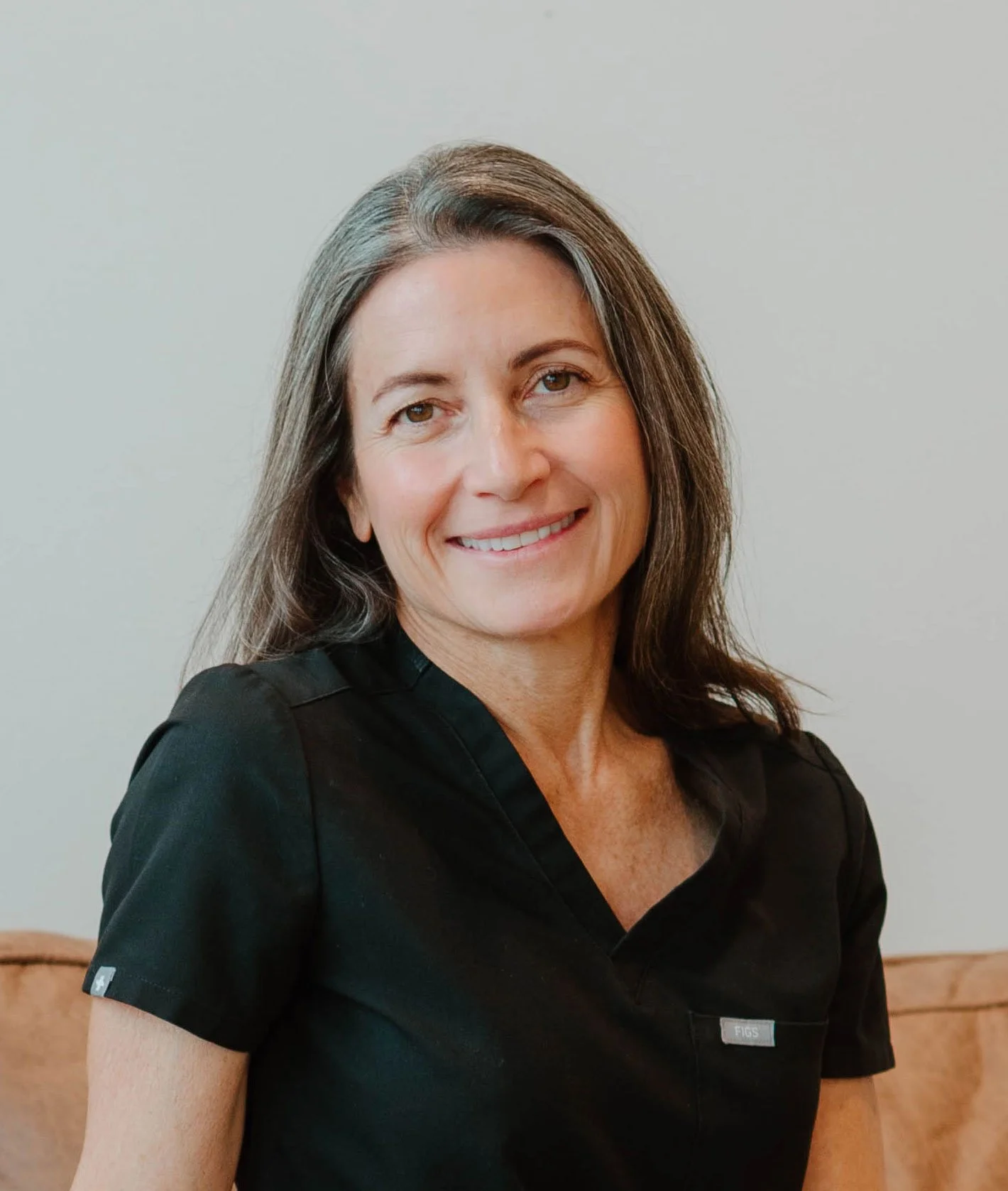
Colorado Sleep Expert
Sleep medicine designed for Colorado. Living and sleeping at altitude changes the way we breathe, oxygenate, and sleep—and those effects become increasingly important in Denver, the foothills, and Colorado’s mountain communities. As a board-certified sleep, pulmonary, and critical care physician, I specialize in understanding how altitude affects sleep, including sleep apnea, central apneas, nighttime oxygen levels, and sleep quality. My approach is designed for Coloradans—from high performers and athletes looking to optimize sleep and recovery to patients who remain tired despite treatment or haven’t found answers through standard sleep care.
A high-quality sleep study matters
A good night’s sleep is about more than how many hours you sleep—or how many times you stop breathing. Measuring sleep architecture shows how your brain moves through light, deep, and REM sleep and whether those stages are being repeatedly disrupted. This can be especially important in Colorado, where altitude can affect breathing, oxygen levels, and sleep quality, and for athletes and high performers, whose recovery depends on restorative sleep. It can also be valuable for women, whose sleep problems may not fit the classic picture of sleep apnea and can be missed by simpler home tests. By measuring brain activity along with breathing, oxygen, heart rate, and movement, we can see not just whether you slept, but how well your brain actually slept and recovered.


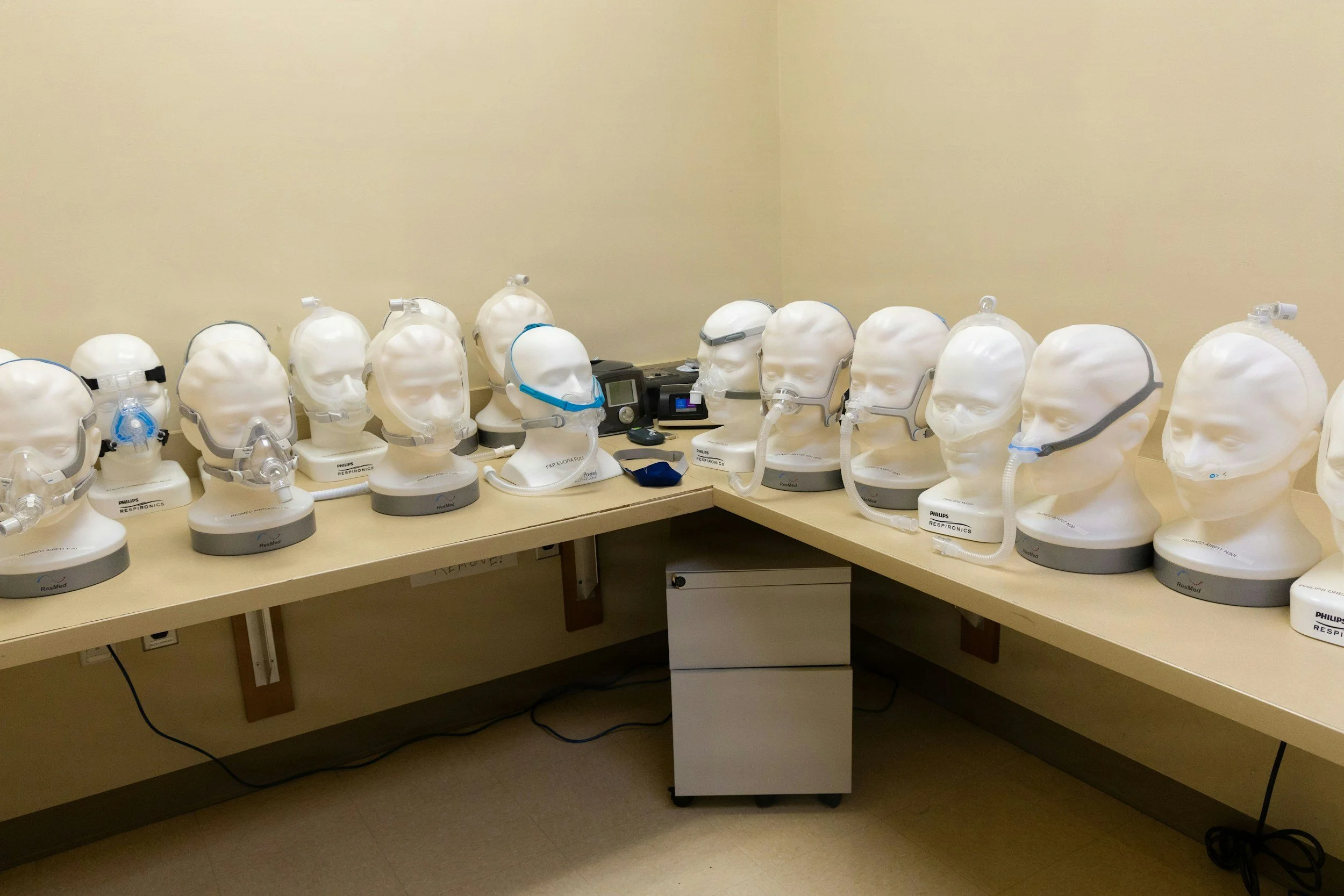
Achieving therapeutic success requires moving past automated downloads and addressing the real barriers that cause patients to abandon their therapy.
Nearly half of all patients prescribed a CPAP abandon their therapy before their first anniversary.
The First Year Failure

The Untreated Majority

Approximately 25 million adults in the United States suffer from obstructive sleep apnea, and a staggering 80% of moderate-to-severe cases remain completely undiagnosed and untreated.
The Impact at Elevation

Beginning at approximately 6,000 feet, lower barometric pressure and mild nocturnal hypoxia naturally trigger central sleep apnea by causing a hyperventilation loop that delays the brain's signal to take the next breath.
Ready for transformative sleep care?