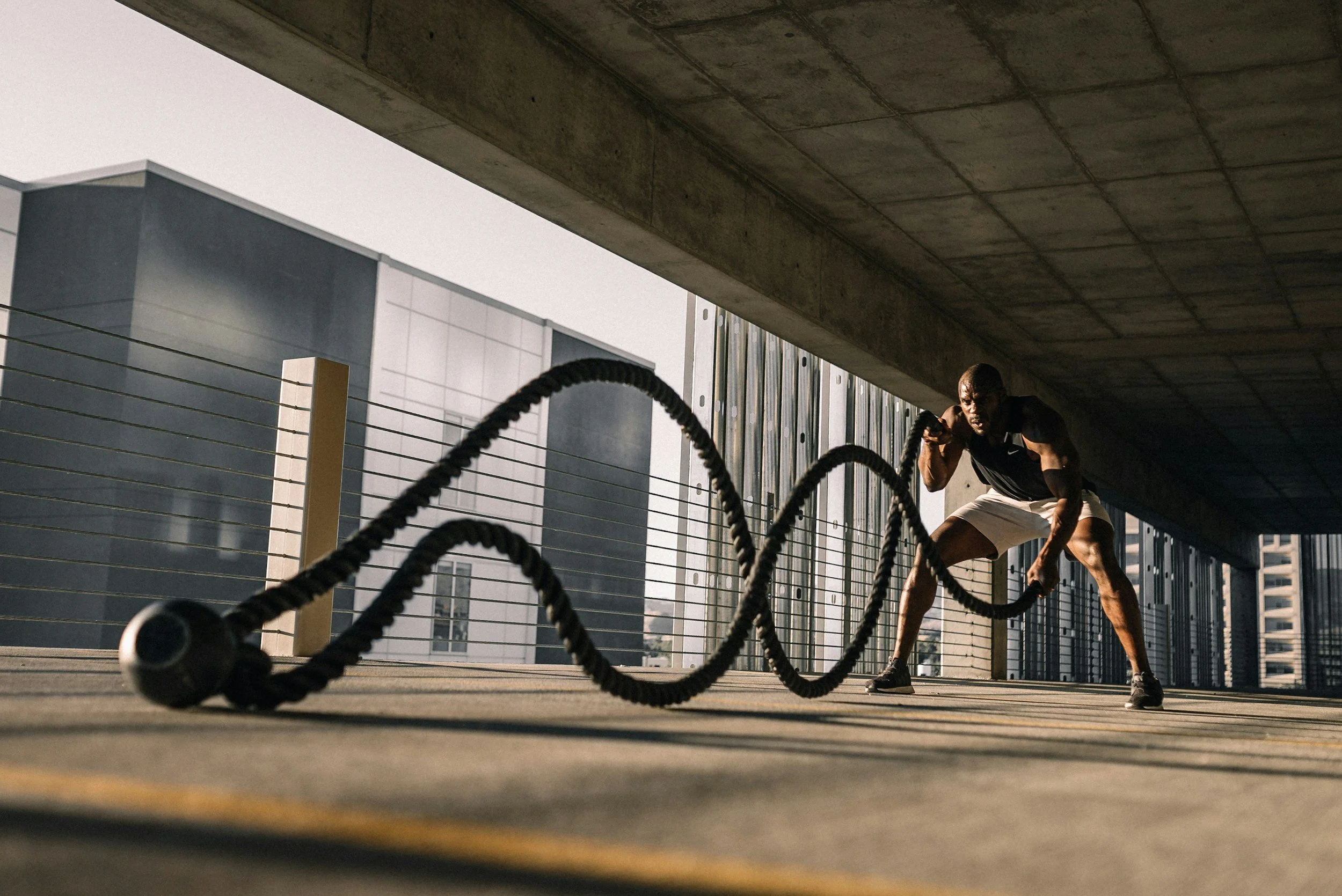
You don’t get stronger in the weight room

You damage muscle in the weight room

Training breaks your body down. Deep sleep is when your body decides how much stronger it's going to come back.

Our Approach

We utilize high-quality diagnostic sleep studies to map exact sleep architecture, allowing us to identify and protect deep sleep stages so an athletes body can fully access human growth hormone, protein synthesis, muscle repair, connective tissue healing, and complete immune recovery. Crucially, this deep sleep optimization serves as a vital cognitive tool driving motor learning to help your brain refine the physical movement patterns practiced during training while sharpening decision-making, focus, and split-second reaction times on game day.

Sleep is Recovery

Athletes with fragmented sleep don't just recover more slowly. Research shows they have slower reaction times, impaired decision-making, decreased motor learning, increased injury risk, and even a higher risk of concussion.


  • Athletes have a high prevalence of sleep disorders

    Studies estimate that 50–78% of elite athletes experience sleep disturbance, including difficulty falling asleep, frequent awakenings, and insufficient sleep duration. Insomnia symptoms are particularly common around competition periods, with pre-competition anxiety and travel schedules being major contributors.

  • Sleep apnea is especially prevalent among larger athletes

    In sports where high body mass is advantageous — such as American football linemen and rugby forwards — the prevalence of obstructive sleep apnea is markedly elevated. Among former NFL players, approximately 52.7% had sleep apnea on objective testing, driven by large neck circumference and elevated BMI. Sleep apnea in these athletes is associated with worse cognitive function, mood disturbances, and pain.

  • Sleep is critical for injury prevention

    Adolescent athletes who slept fewer than 8 hours per night had a 1.7-fold increased risk of injury compared to those who slept 8 or more hours, according to a landmark study. Chronic sleep restriction is thought to impair neuromuscular control, tissue recovery, and immune function, all of which contribute to injury susceptibility.

  • Sleep deprivation impairs athletic performance

    Even partial sleep restriction (e.g., fewer than 7 hours) is associated with decreased reaction time, reduced endurance, impaired decision-making, and increased perceived exertion during exercise. Sleep extension, conversely, has been shown to improve sprint times, shooting accuracy, and overall mood in collegiate athletes.

  • Deep sleep (slow-wave sleep) is the primary driver of physical recovery and hormonal optimization in elite athletes

    during which approximately 70% of daily growth hormone secretion occurs, driving muscle repair and tissue adaptation. [1-2] The body increases deep sleep proportionally in response to higher training loads, and in elite swimmers, a higher percentage of deep sleep independently predicted faster race times. Notably, sleep apnea directly undermines deep sleep by causing frequent arousals that fragment slow-wave sleep and reduce its proportion.

Optimal Sleep Blog


In-person and remote options

Our office is conveniently located in Louisville, CO. A place for diagnostics, consultation, and optimization.

Get started today.