Sleep Care Reimagined
Expert, physician-led sleep care with direct access, personalized treatment, and no insurance barriers.
Serving patients throughout Colorado and those visiting from out of state.

Concierge Sleep Medicine
We partner with referring clinicians to completely bypass the third-party equipment coordination and bureaucratic bottlenecks that so often derail patient success.
Optimizing a patient's sleep therapy can mean tangled supplier backlogs, delayed paperwork, and exhausting administrative loops just to change a simple pressure setting. When working in the system becomes too difficult, providers and patients get stuck. We replace that fragmented system with direct, physician-led medical management. Because our sleep physician actively monitors clinical data and handles all therapeutic adjustments in-house, we eliminate traditional delays and staff burdens. We manage the exhaustive daily troubleshooting and active clinical titrations directly giving both you and your patient confidence that their therapy is optimized, effective, and delivering confirmed therapeutic results.
A high-quality sleep study matters
A high-quality sleep study tracking sleep architecture provides a complete, deep-dive map of how a patient cycles through essential light, deep, and REM sleep stages rather than just counting breathing disruptions. This detailed neurological data allows a physician to diagnose subtle, hidden sleep fragmentation and precisely tailor treatment to restore restorative sleep and protect longevity.



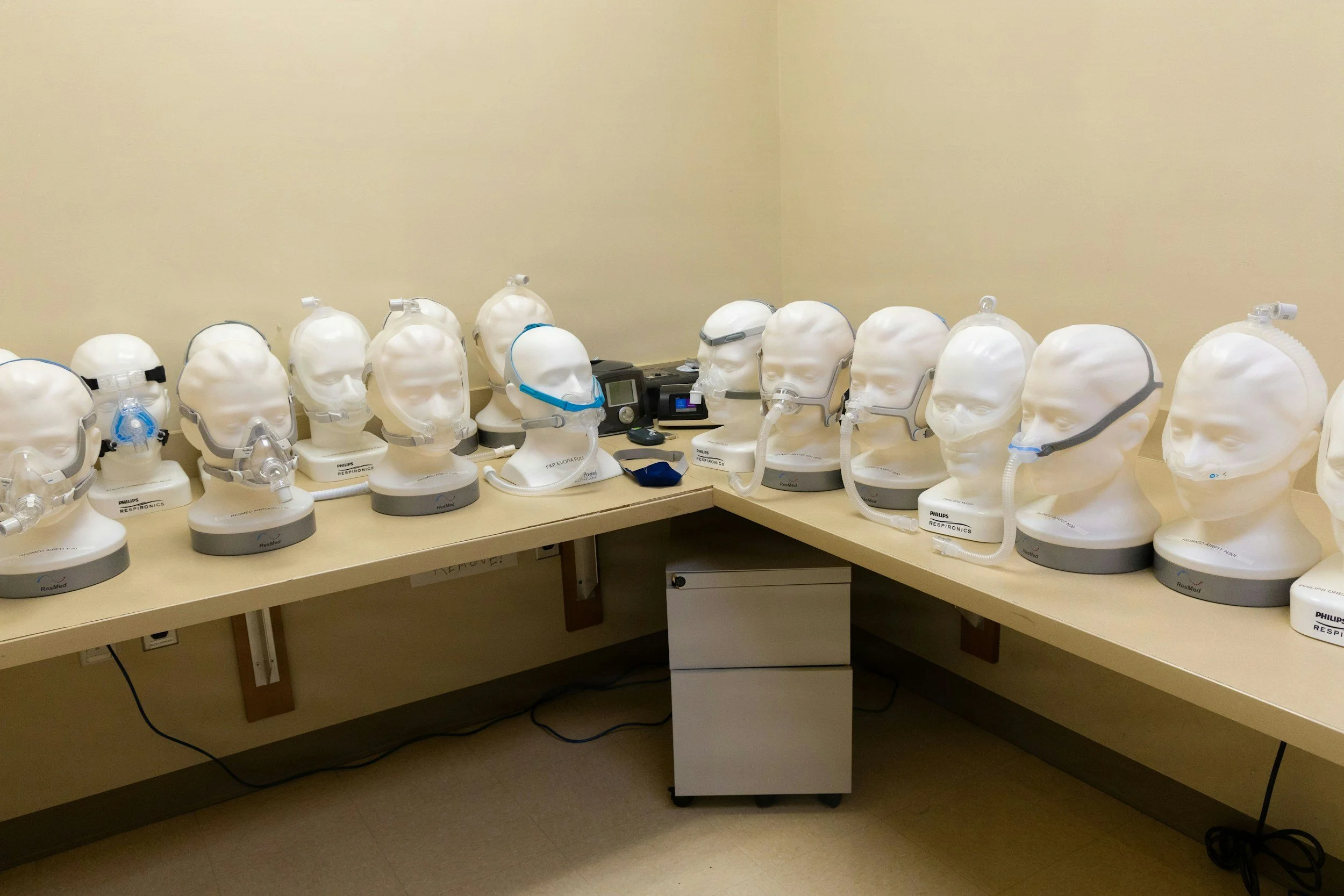
Achieving therapeutic success requires moving past automated downloads and addressing the real barriers that cause patients to abandon their therapy.
Nearly half of all patients prescribed a CPAP abandon their therapy before their first anniversary.
The First Year Failure
The Untreated Majority

Approximately 25 million adults in the United States suffer from obstructive sleep apnea, and a staggering 80% of moderate-to-severe cases remain completely undiagnosed and untreated.
The Impact at Elevation

Beginning at approximately 6,000 feet, lower barometric pressure and mild nocturnal hypoxia naturally trigger central sleep apnea by causing a hyperventilation loop that delays the brain's signal to take the next breath.
Ready for transformative sleep care?